Toad Removal for Pet Safety: Reducing Toxic Exposure Risks
Finding experienced service providers for toad removal for pet safety can help reduce toxic exposure risks and keep your pets safe from harmful toads.
Pet safety is a top concern for many property owners in the area, especially when it comes to the potential dangers posed by certain outdoor wildlife. Toads, while common and often harmless to humans, can be toxic to pets if they are inadvertently ingested or come into contact with their secretions. Exploring options for toad removal for pet safety: reducing toxic exposure risks can help prevent accidental poisoning and keep furry friends safe while enjoying the yard or garden. Homeowners who notice increased toad activity or are concerned about their pets' safety may find it helpful to learn about effective removal strategies offered by local service providers.
Understanding the importance of this issue can motivate property owners to seek out professional assistance for toad removal services. Local contractors experienced in managing wildlife and pest concerns can implement practical solutions that minimize the risk of pets coming into contact with toxic toads. Keep reading to discover more about how these services can support pet safety and what steps might be taken to make outdoor spaces safer for animals.
- Toad removal for pet safety: reducing toxic exposure risks - homeowners noticing their pets showing signs of poisoning may seek local contractors experienced in safe toad removal.
- Toad removal for pet safety: reducing toxic exposure risks - pet owners living in areas with frequent toad activity often contact local service providers to prevent accidental ingestion or contact.
- Toad removal for pet safety: reducing toxic exposure risks - those concerned about their pets' safety during peak toad season can rely on local pros to identify and safely eliminate toad habitats.
- Toad removal for pet safety: reducing toxic exposure risks - residents observing unexplained pet illnesses or unusual behaviors might turn to local contractors for effective toad removal solutions.
- Toad removal for pet safety: reducing toxic exposure risks - property owners wanting to minimize pet exposure to toxins often consult local service providers for targeted toad removal strategies.
When people search for toad removal for pet safety: reducing toxic exposure risks, they are typically concerned about their pets’ health and well-being. Toads, especially certain species common in residential areas, can produce toxins that are harmful or even deadly if ingested or if pets come into contact with them. Homeowners often seek information on how to identify toads that pose a threat, as well as effective strategies to keep their pets safe. The focus is usually on preventing accidental encounters, especially in yards, gardens, or outdoor spaces where pets frequently play or explore.
This topic relates closely to problems involving pet safety and property management. Many pet owners worry about their animals being exposed to toxins from toads during outdoor activities. They may be planning to modify landscaping, install barriers, or implement other preventative measures to reduce risk. Some are also interested in ongoing maintenance or removal efforts to ensure their property remains a safe environment for pets. Service providers who specialize in toad removal can offer targeted solutions, such as humane removal or habitat modification, to help mitigate these risks effectively.
Properties that typically come up in discussions about toad removal for pet safety include residential yards, gardens, and outdoor living spaces. These areas often attract toads because of moisture, dense vegetation, or water features that provide ideal habitats. Homes with children and pets are particularly focused on managing these risks, as they want to prevent toxic encounters before they happen. Additionally, properties with ponds, fountains, or other standing water sources are more likely to attract toads, making professional removal and habitat management essential components of a comprehensive safety plan.
Understanding how to address toad presence is a practical concern for many homeowners. Local service providers can assist with identifying toad species, safely removing them, and advising on habitat modifications to discourage future visits. These professionals can also help implement exclusion strategies, such as fencing or barriers, that prevent toads from entering pet-accessible areas. By working with experienced contractors, homeowners can develop a tailored approach to reduce toxic exposure risks, ensuring their outdoor spaces remain safe and enjoyable for pets and family members alike.
Landscape clearing and debris removal - these projects involve removing potential toad habitats and hiding spots, which can help reduce toxic exposure risks for pets.
Garden and yard cleanup - professionals who specialize in yard maintenance can identify and eliminate areas where toads may congregate, supporting pet safety efforts.
Pest control and wildlife exclusion - local contractors offering pest management can help prevent toads from entering outdoor spaces, minimizing pet encounters with toxic amphibians.
Drainage and water feature maintenance - maintaining proper drainage and removing standing water reduces toad breeding sites, lowering the risk of toxic encounters for pets.
Outdoor lighting and habitat modification - adjusting lighting and habitat features can deter toads from settling near homes, supporting pet safety in the yard.
Yard fencing and barrier installation - installing barriers can help keep toads out of pet areas, reducing the chance of toxic exposure during outdoor activities.
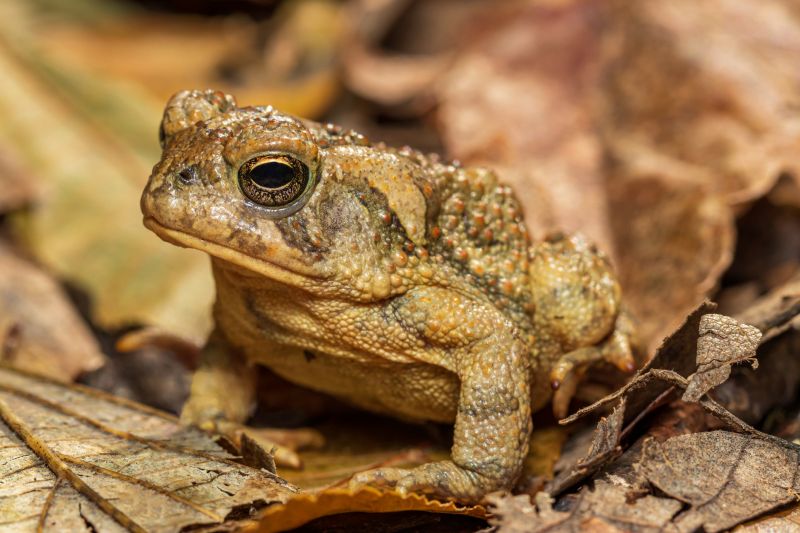
When evaluating service providers for toad removal for pet safety: reducing toxic exposure risks, experience with similar projects is an important factor to consider. Homeowners should seek out local contractors who have a history of handling wildlife or pest-related services, particularly those that involve the removal or deterrence of toads in residential settings. An experienced professional will be familiar with effective methods to safely and humanely reduce toad presence, minimizing the risk of pet exposure to toxins. Checking references or reviews from previous clients can provide insight into a contractor’s familiarity with these specific concerns and their ability to deliver reliable results.
Clear written expectations are essential to ensure that both homeowners and service providers are aligned on the scope of work for toad removal. When comparing local contractors, it’s helpful to inquire about the specific steps they plan to take and any measures they recommend to prevent toads from returning. A reputable service provider should be able to outline their process in plain language, addressing pet safety considerations and the methods they will use to reduce toxic exposure risks. Having detailed, written information helps homeowners make informed decisions and sets a foundation for transparent communication throughout the project.
Reputable references and good communication are key components when choosing a local contractor for toad removal services. Homeowners should seek out service providers who can provide references from past clients with similar concerns, especially those related to pet safety and wildlife management. Reliable communication ensures that questions about pet safety risks and removal techniques are answered clearly and promptly. A contractor who listens carefully and provides thorough explanations can help homeowners feel confident that the chosen service provider understands the importance of reducing toxic exposure risks and is equipped to address their specific needs effectively.
Property owners often search for toad removal for pet safety: reducing toxic exposure risks when they are planning practical projects around their homes and businesses. Local pros provide Toad Removal services for everyday jobs and straightforward project options.
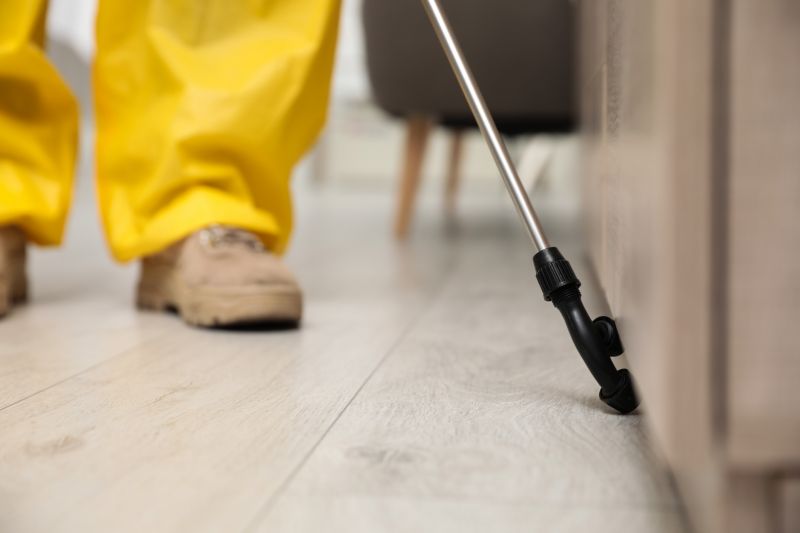
Property owners in the area concerned about pet safety often seek information on toad removal for pet safety: reducing toxic exposure risks, especially during peak toad activity seasons. Toads can sometimes be found in yards, gardens, or near water features, and their presence may pose a danger to pets that might try to catch or interact with them. Simple, effective removal methods provided by local service providers can help minimize the risk of pets coming into contact with toxic toad secretions, creating a safer outdoor environment for both animals and humans alike.
Many property owners turn to local contractors who specialize in toad removal for pet safety: reducing toxic exposure risks to ensure their pets remain healthy and unharmed. These professionals often use straightforward techniques to safely remove toads from residential areas, preventing accidental exposure to toxins. Connecting with experienced service providers can help maintain a pet-friendly space, especially in neighborhoods where toad activity is common, making it easier to keep outdoor areas safe and enjoyable for pets and family members.
What is involved in toad removal for pet safety: reducing toxic exposure risks? Local contractors typically identify and safely remove toads from your property, especially areas where pets may encounter them, to minimize toxic exposure risks.
How can professional toad removal help protect pets from toxins? Local service providers use effective methods to eliminate toads and reduce the chances of pets coming into contact with toxic skin secretions.
Are there specific areas where toad removal is most necessary for pet safety? Pros often focus on gardens, yards, and outdoor spaces where toads are commonly found and pets are likely to explore.
What steps do local contractors take to ensure pet safety during toad removal? They typically remove toads carefully and may advise on additional measures to keep pets away from toads and their hiding spots.
Can toad removal services help prevent future encounters with toxic toads? Yes, many local providers offer ongoing removal or deterrent solutions to reduce the likelihood of toads returning to the property.
Identify high-risk areas - property owners can assess their yard for spots where toads are likely to gather and work with local contractors to implement targeted removal strategies.
Secure outdoor pet spaces - creating barriers or designated pet zones can help prevent animals from coming into contact with toads, with guidance from local pros on safe setup.
Remove toad habitats - eliminating debris, standing water, and dense vegetation can reduce toad populations, with professional assistance to ensure effective habitat management.
Implement ongoing monitoring - regular checks around the property can help detect toad presence early, allowing local service providers to advise on timely removal efforts.
If you are thinking about toad removal for pet safety: reducing toxic exposure risks for a property, this guide is meant to help you understand this topic, the typical project types, and how different options might fit your plans.
When you are ready, you can use the quote form on this page to share a few details about your project. From there, local pros can review the basics and follow up with options that match what you have in mind.